Trinity
An integration of a light, a screen, and a music player.
“What if one object could replace several of the things we keep around us?”
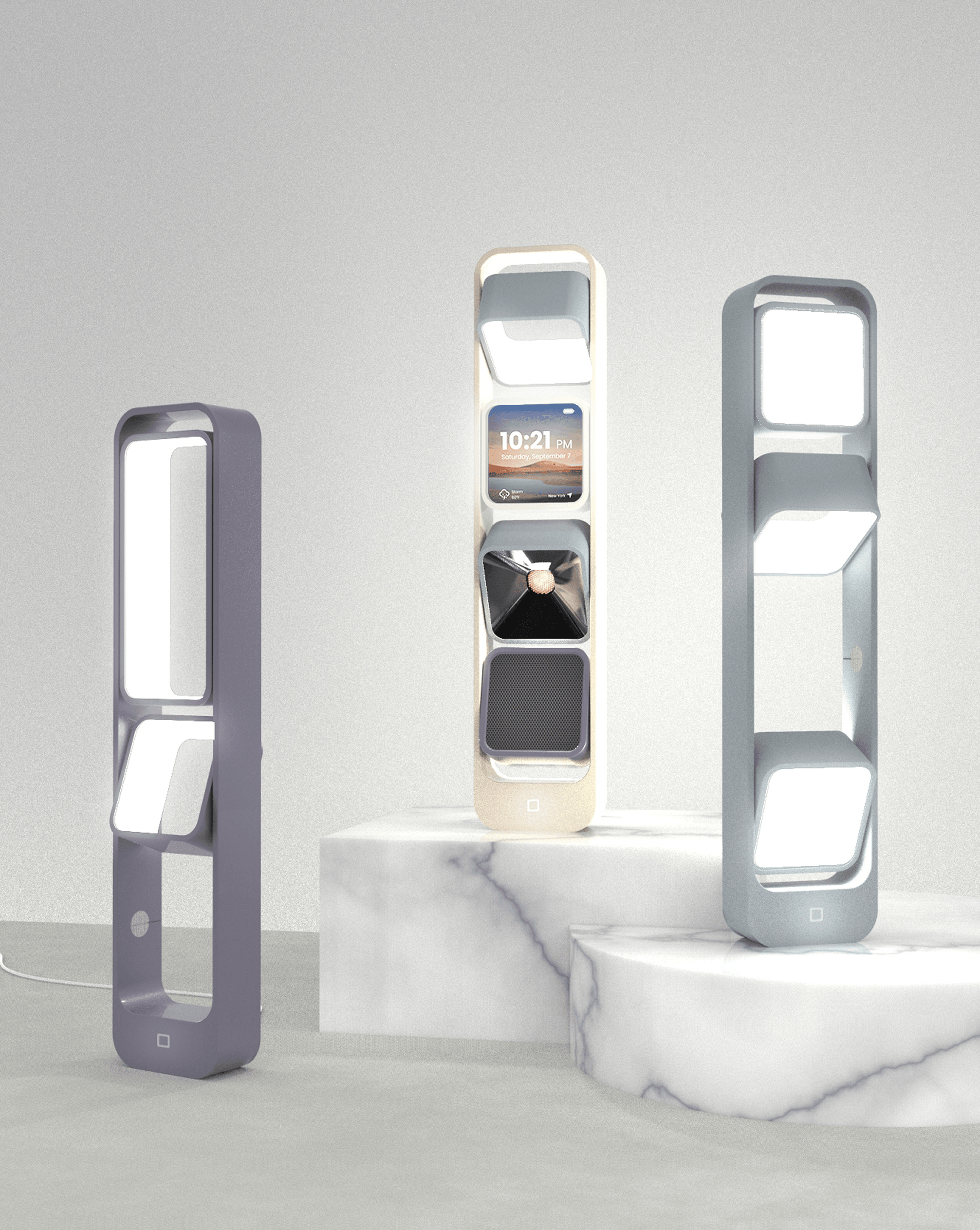
Inspired by the principles of minimalism, I designed an IoT-enabled table lamp that combines ambient lighting with essential information in a single, elegant product. The goal was simple: reduce visual and functional clutter without compromising utility.
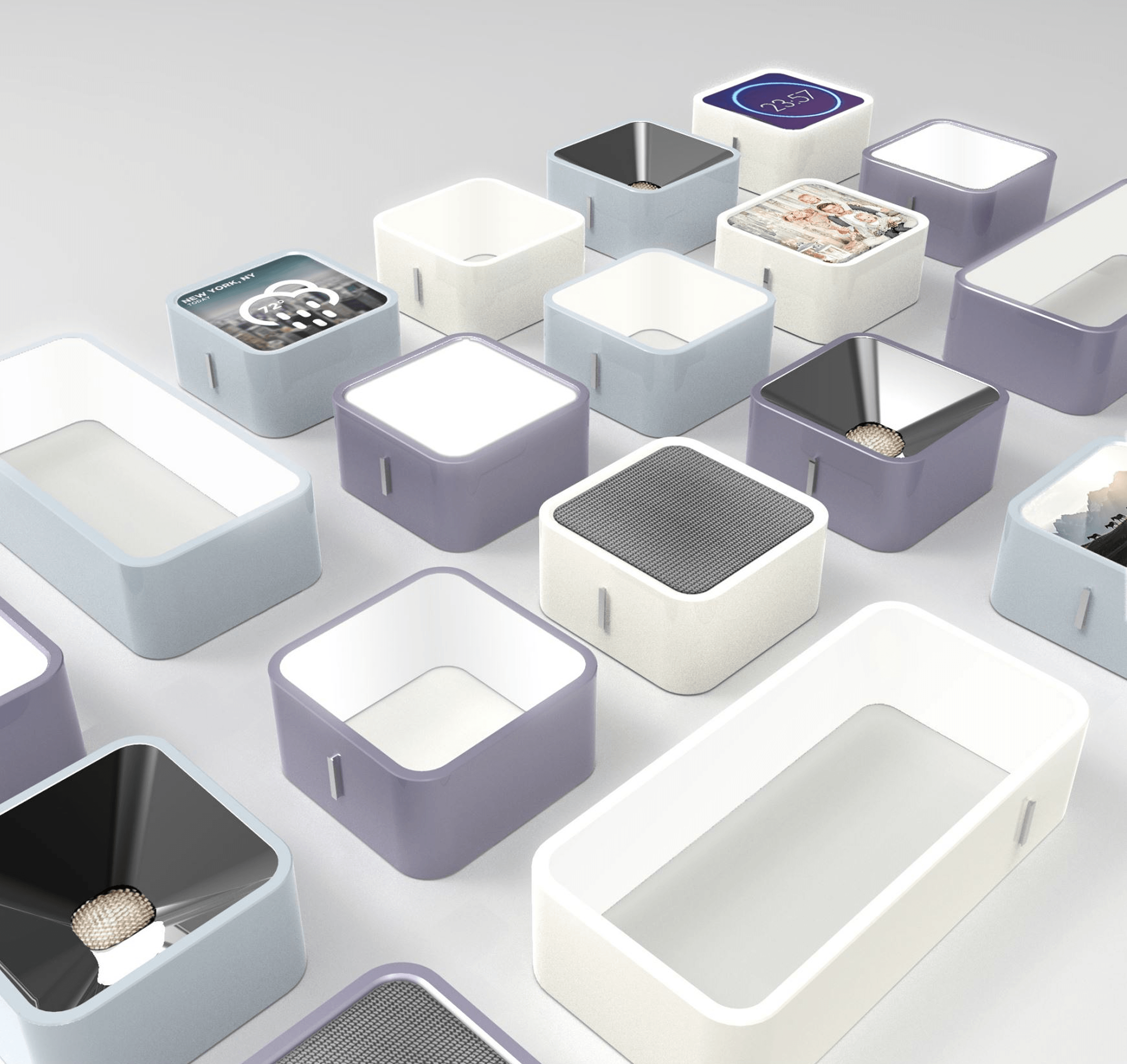
 Table Lamp Design Challenge
- Project type
- Product Design
- Position / Role
- Product Designer
- Team
- DOPI Design
- Duration
- 8 Weeks
- Tools
- Figma, Adobe Suite, Rhino, Keyshot
Designing the product was only half the story. Dive into how Trinity could actually launch, scale, and win in the real market.
Go-To-Market PlanGo-To-Market PlanBackground
The lighting market is growing.
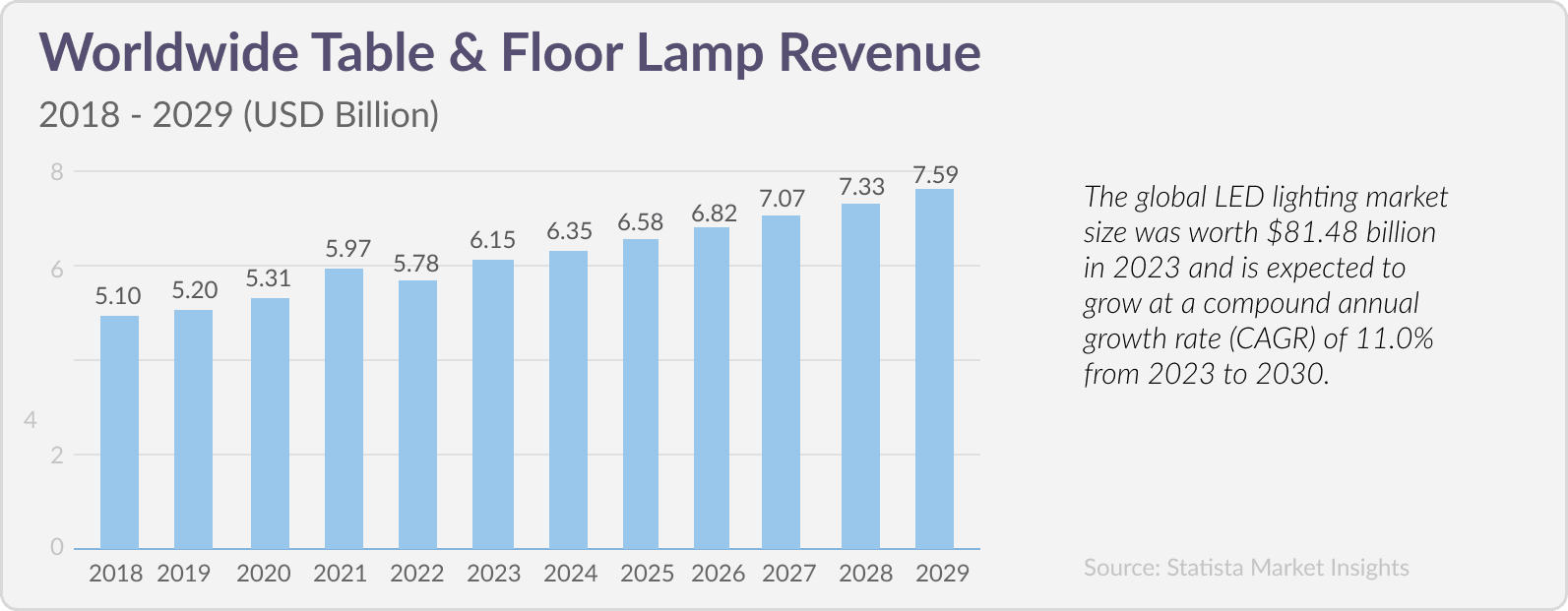
Global LED Lighting Market
Share by End-use, 2023 (%)

Problem
However, the majority of lighting products are mediocre. It's rare to see well-designed lighting products.

Issue 1:
Limited adjustability
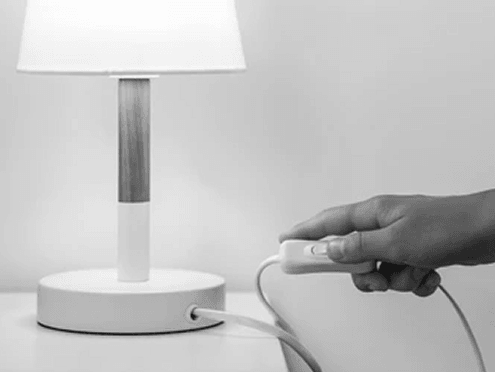
Issue 2:
Inconvenient control
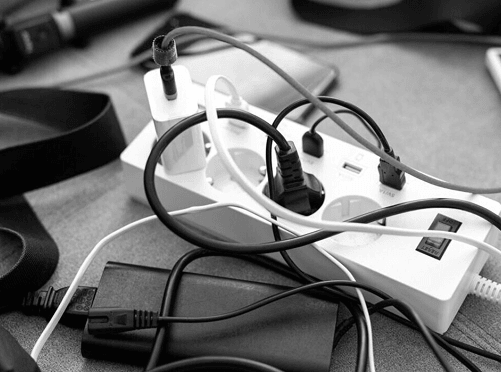
Issue 3:
Messy wires
Design Challenge
“What is the next generation of lighting solutions?”
Market Trends & Competitors
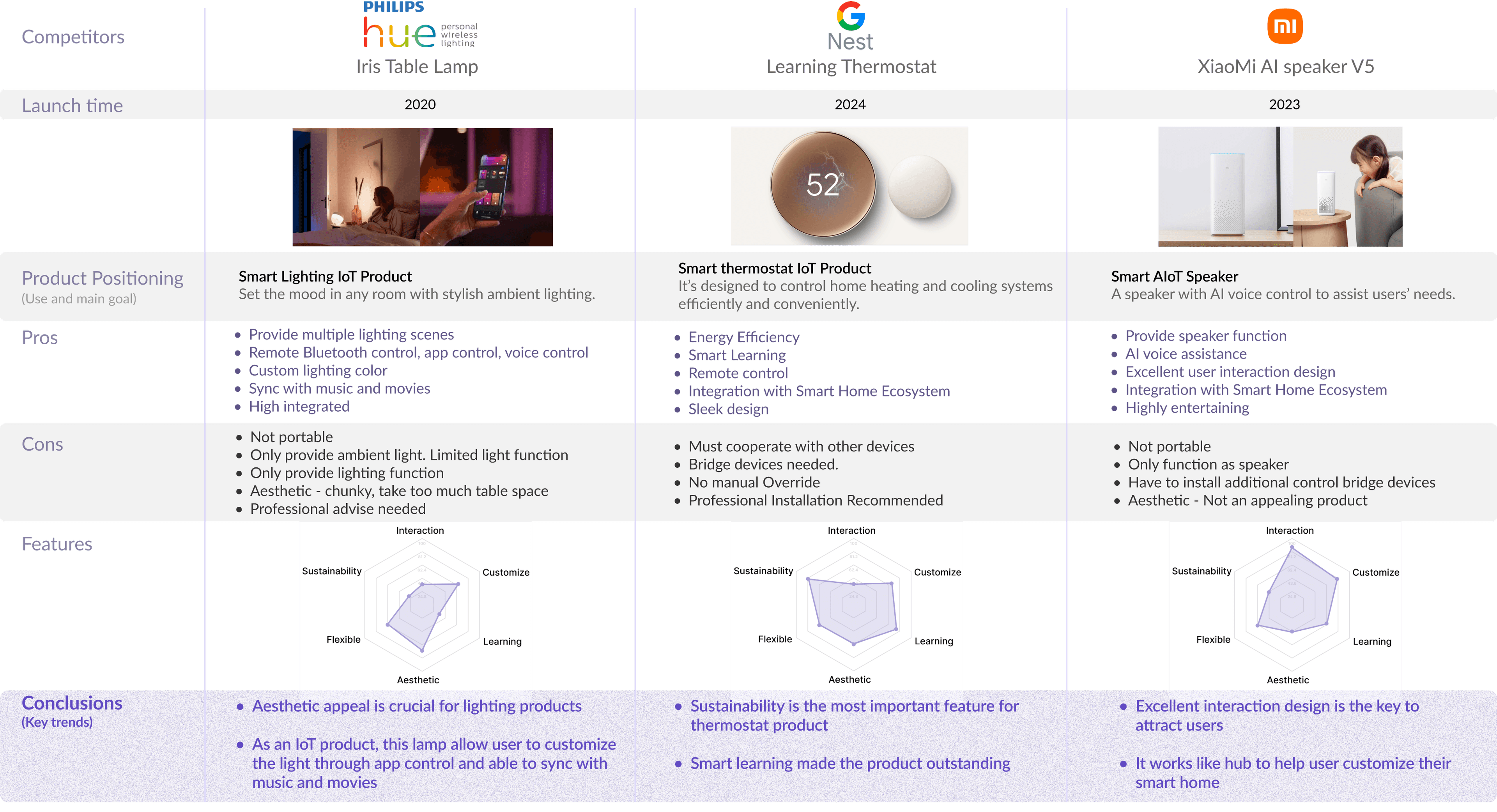
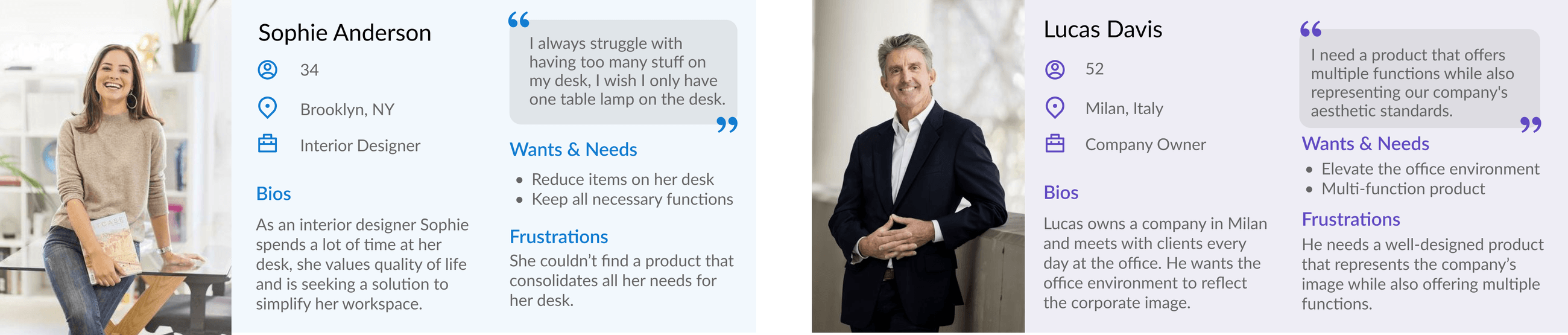
User Research

Ideation
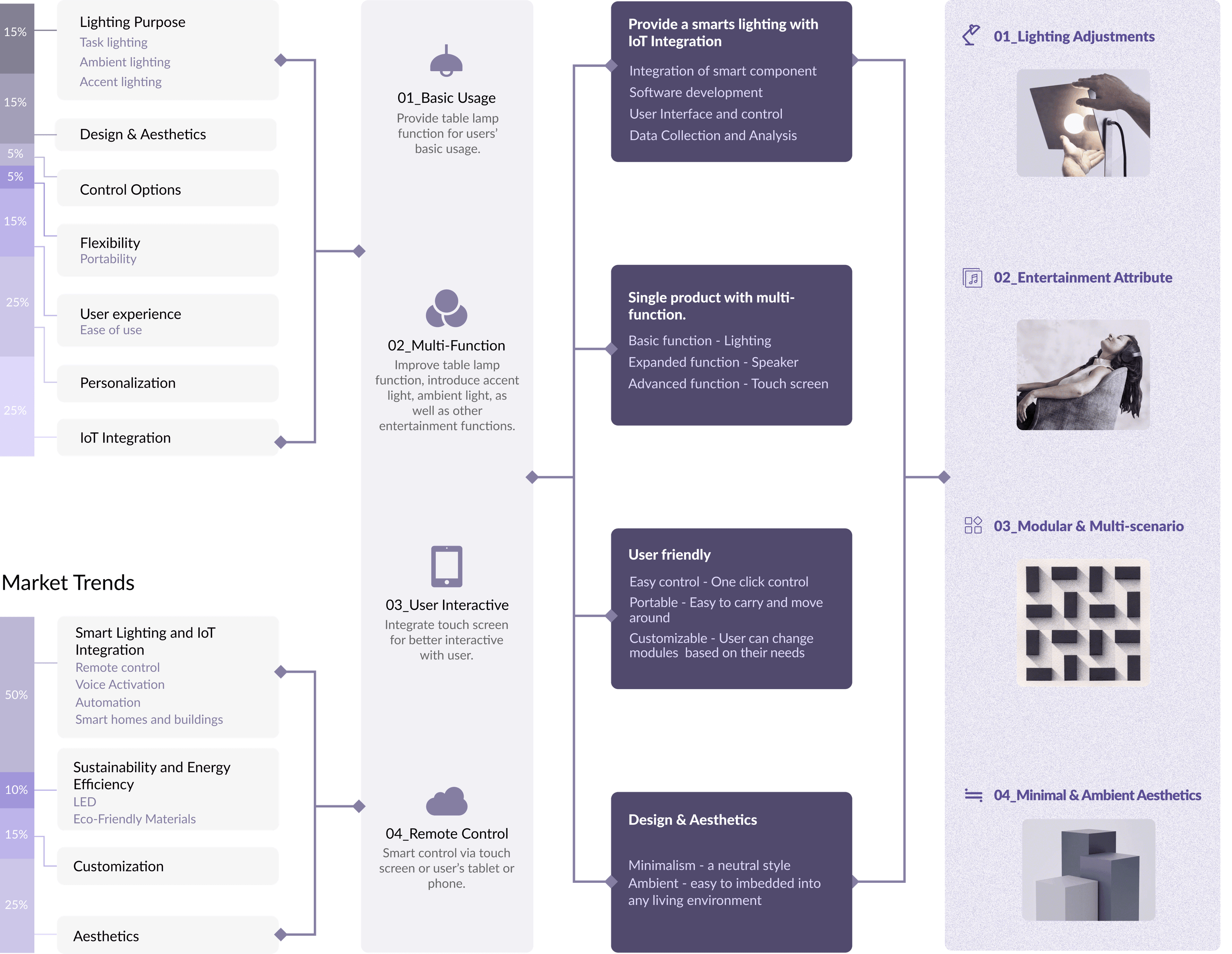
Exploring user needs, inspirations, design strategies, and special features.
Development of Physical Form
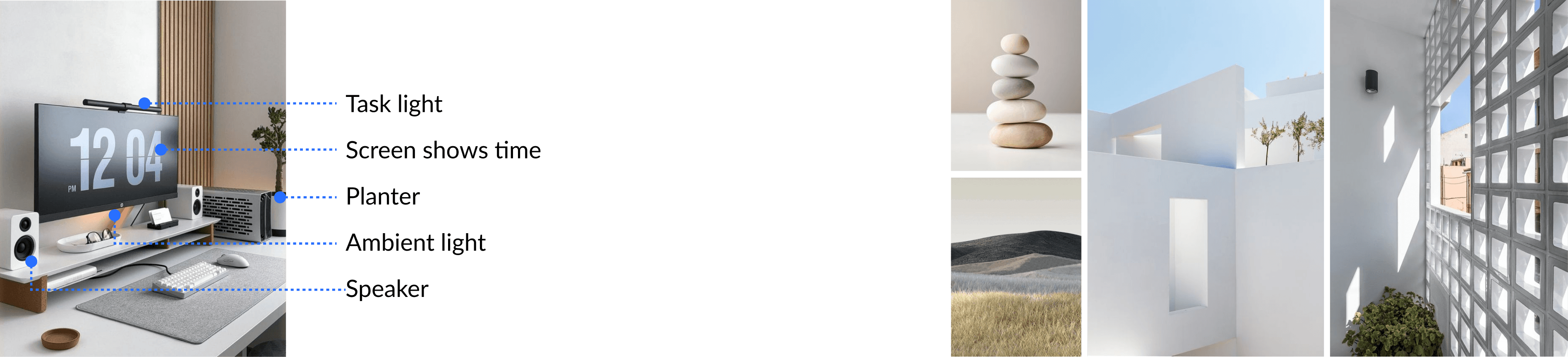
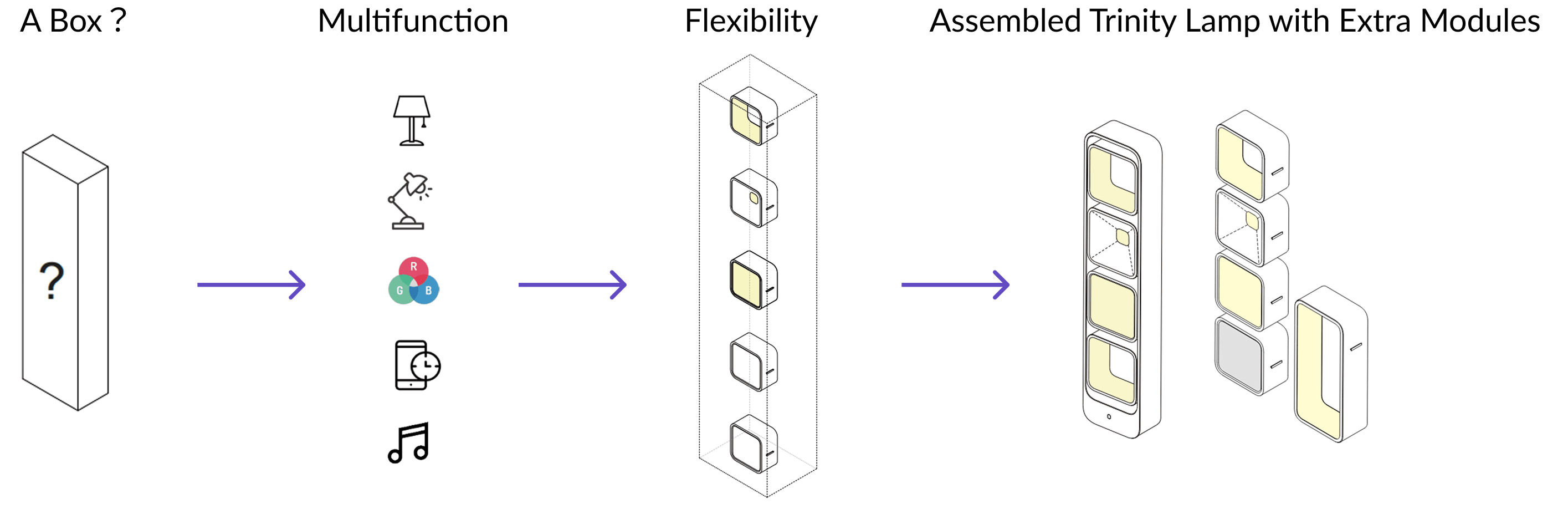
What do users need on their desks? Minimalism, and a single object that combines all elements.
Version 1: Desktop Combination
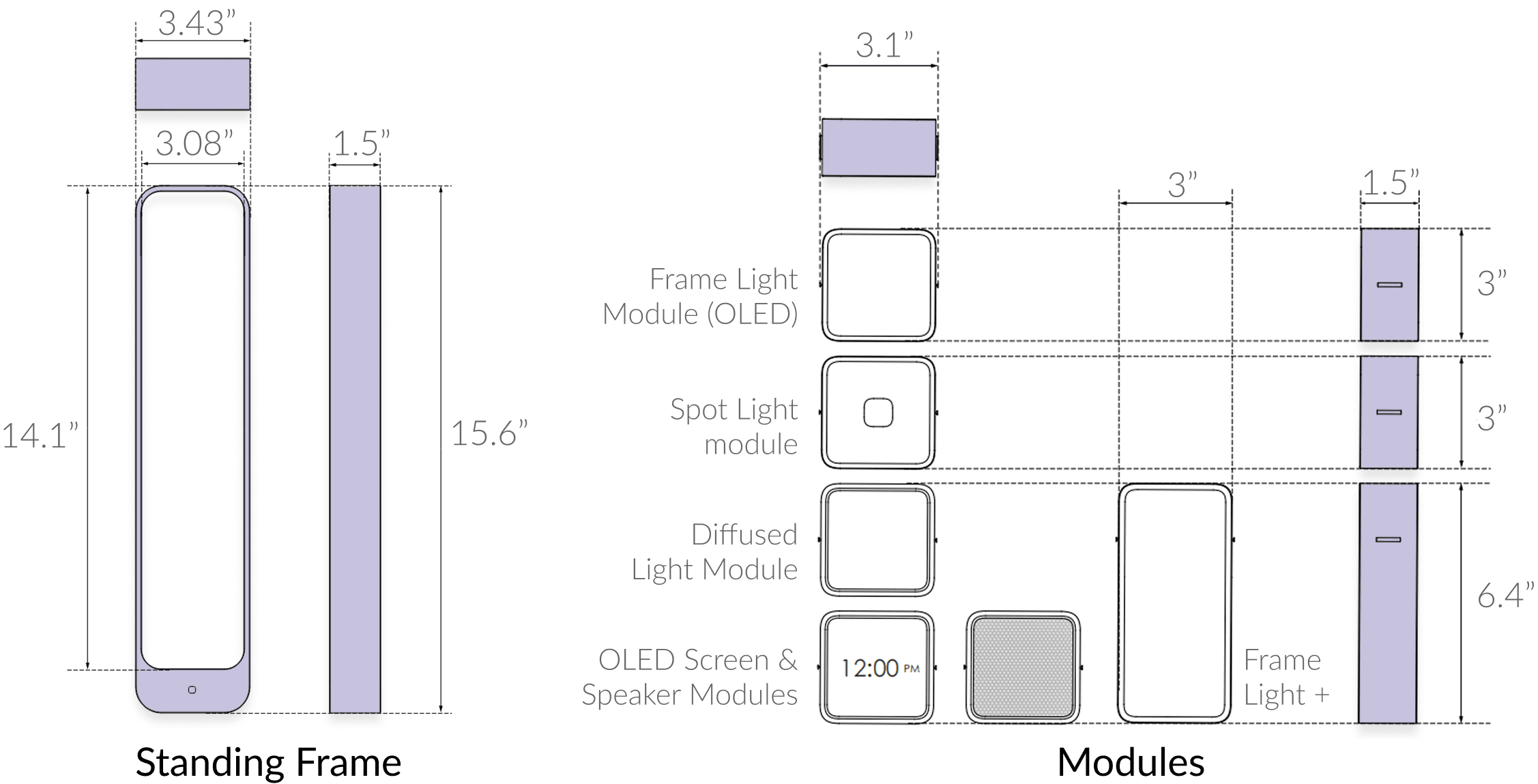
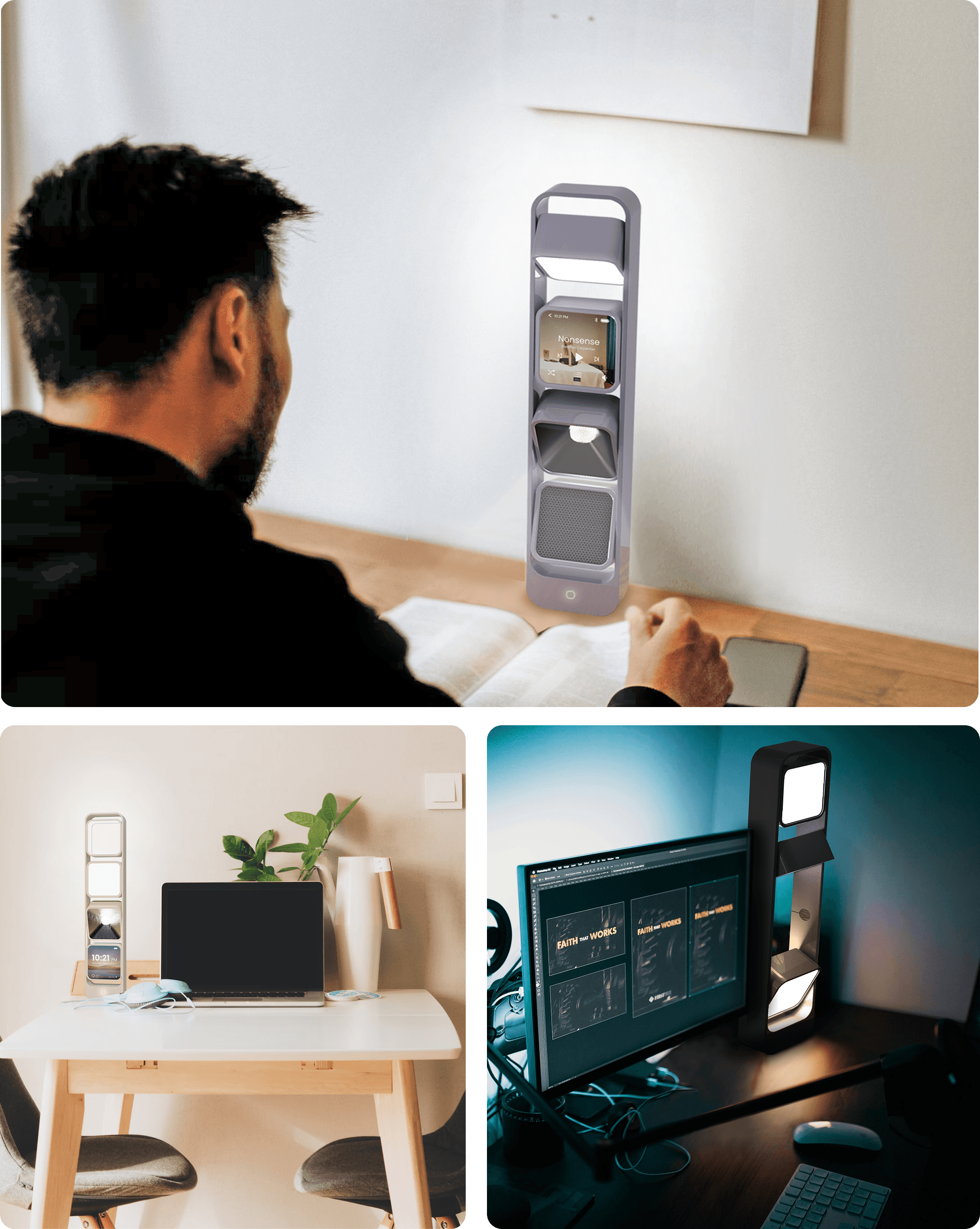
Considering the most common daily use scenario for a lamp, on a desktop, I designed a small-scale module system that suits the desktop and includes various functions to meet users’ needs, like task light, ambient light, screen, and speaker.
The innovative stacking design optimizes vertical space, freeing up valuable desktop area and offering greater flexibility for users.
Version 2: Pendant
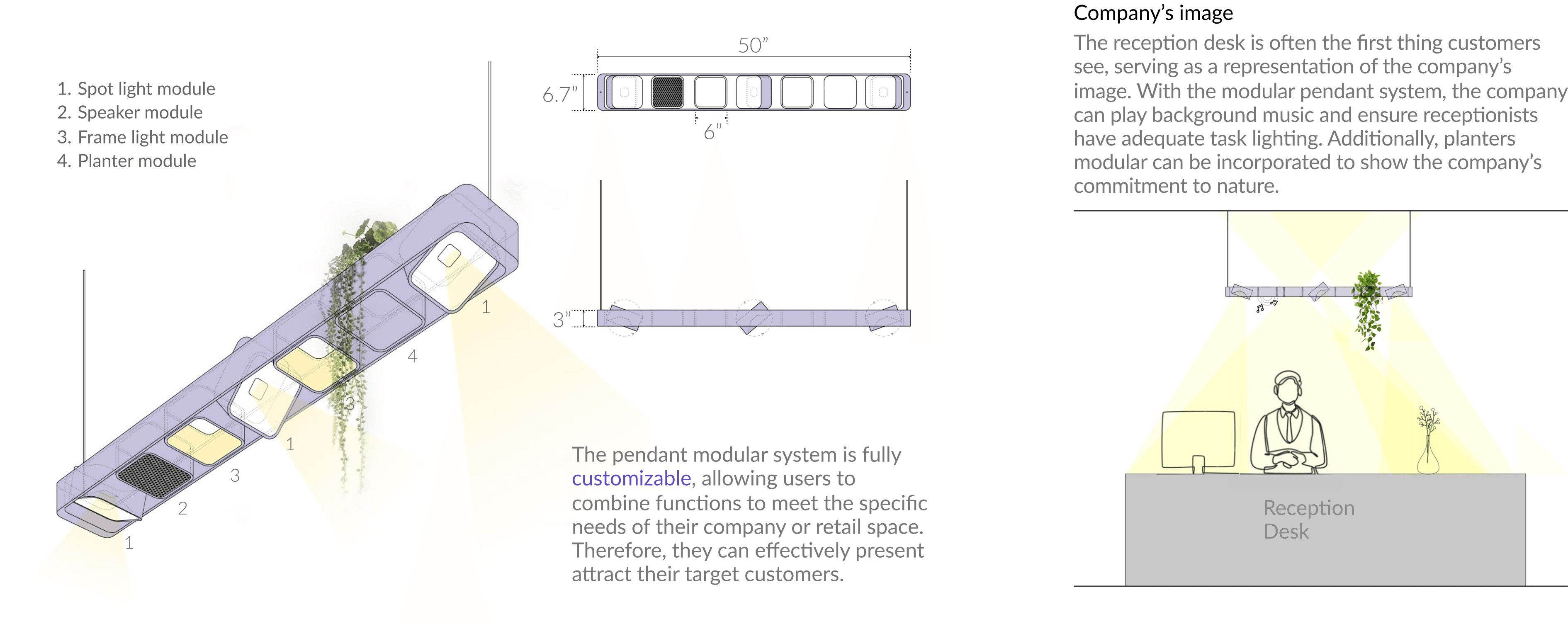
To expand the potential user base, I developed a pendant system suitable for commercial, retail, and public spaces.
Version 3: Floor Lamp
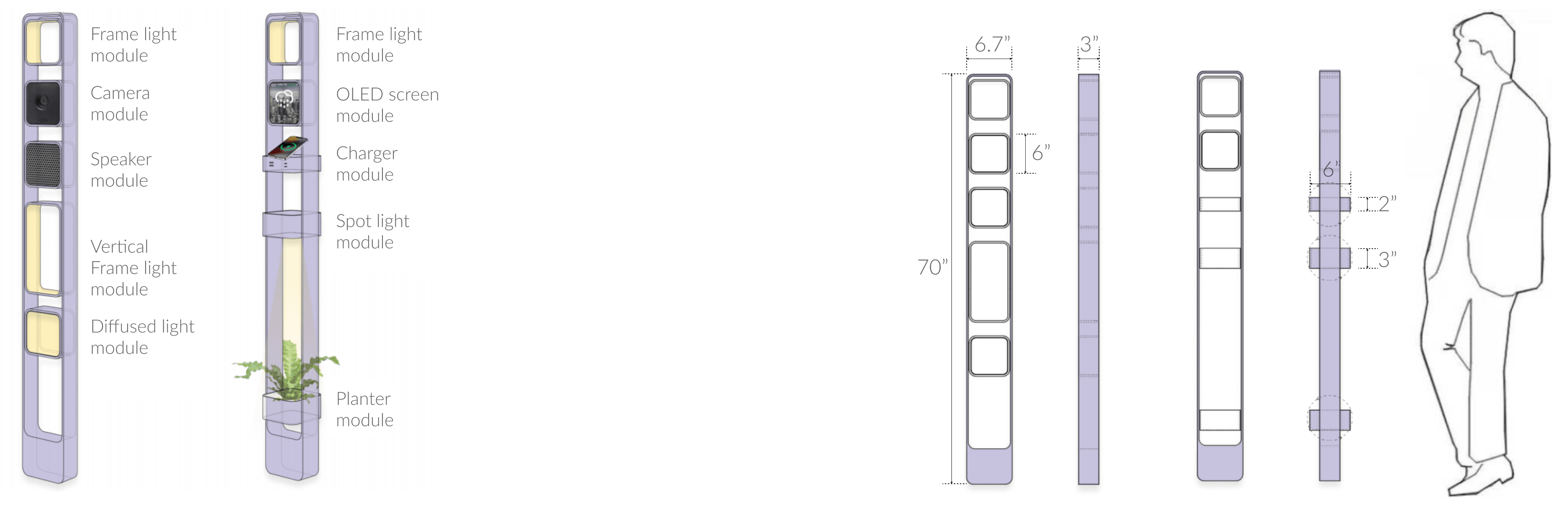
A large-scale, free-standing floor lamp is the next generation. It is not only for individual use but can also serve public spaces. So I added more modular features, like a phone charger and a security camera.
Information Architecture
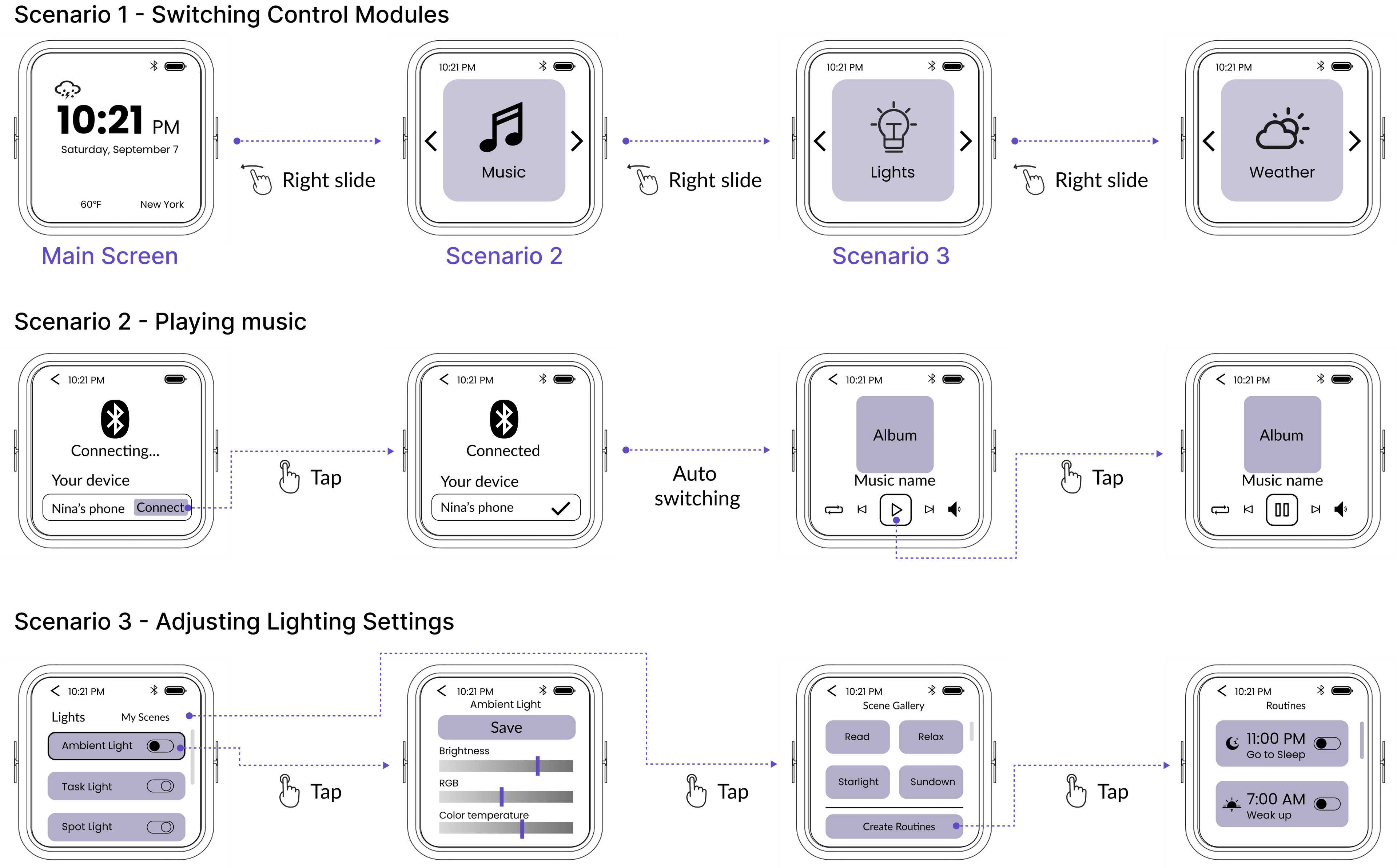
Low Fidelity
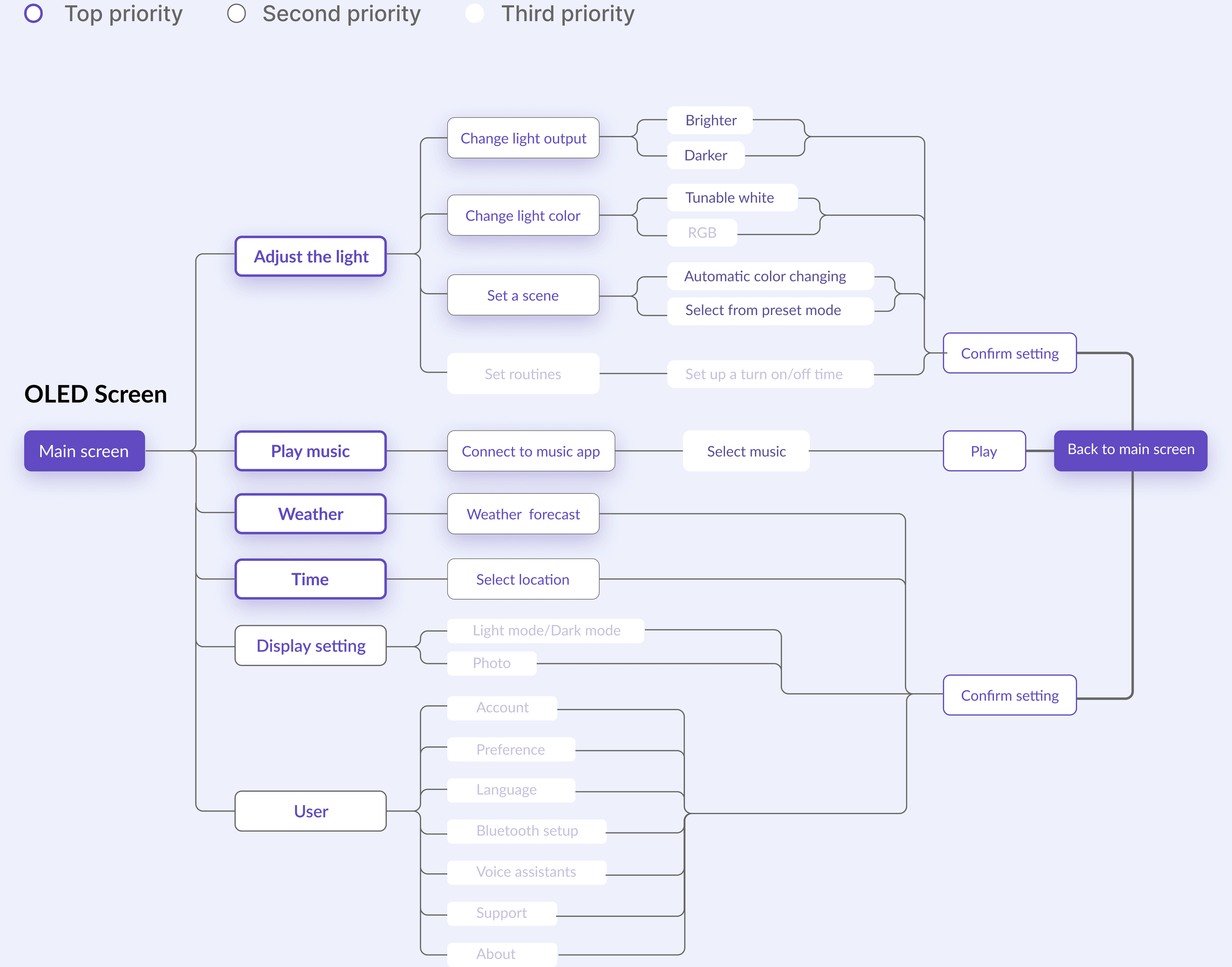
The OLED screen acts as the 'brain' of the module system, managing both lighting and speaker modules and continuously learning user preferences. It offers key functions: controlling lights, playing music, and displaying daily information such as weather and time.
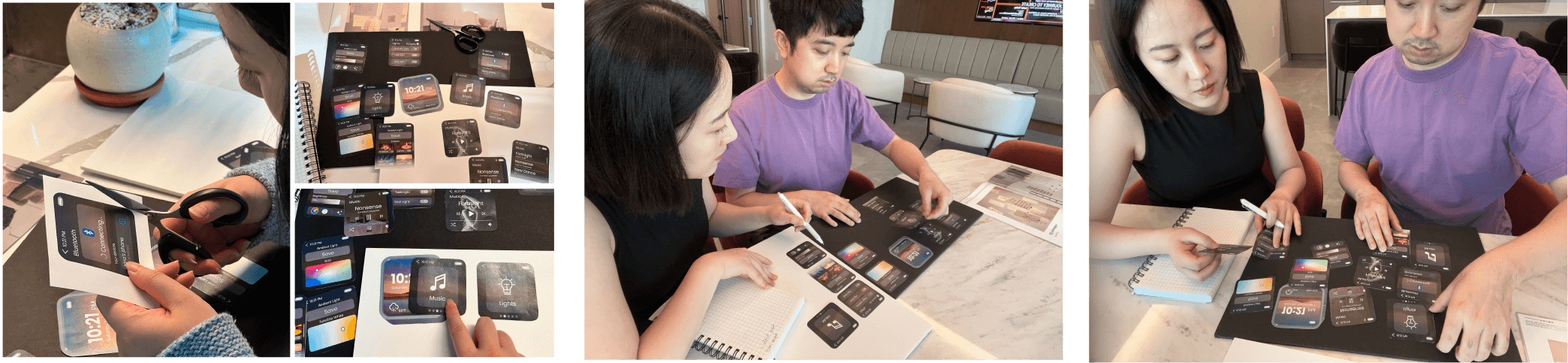
User Testing & Iteration
Goals: ensure the system is easy to use, evaluate real-world performance, and measure overall satisfaction and engagement.
Feedback: the first layer of the interface was missing key information, making the experience more complicated. Light control was unnecessarily complex since users rarely adjust it. Text and icon sizes were too large, affecting visual balance.
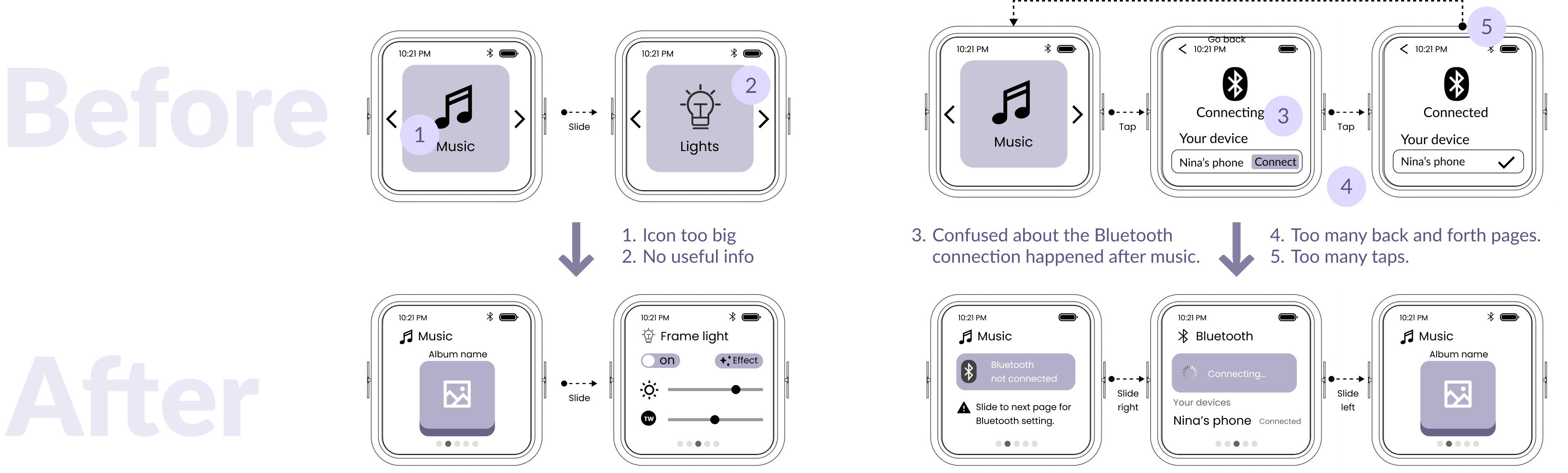
In the early version, users had to tap through the first layer to select an album or adjust lighting. After feedback, I revised it to surface more intuitive information directly. I also added a warning page for when Bluetooth isn't connected and simplified the connection process, since some users were confused by it only appearing after tapping the music button.
High Fidelity
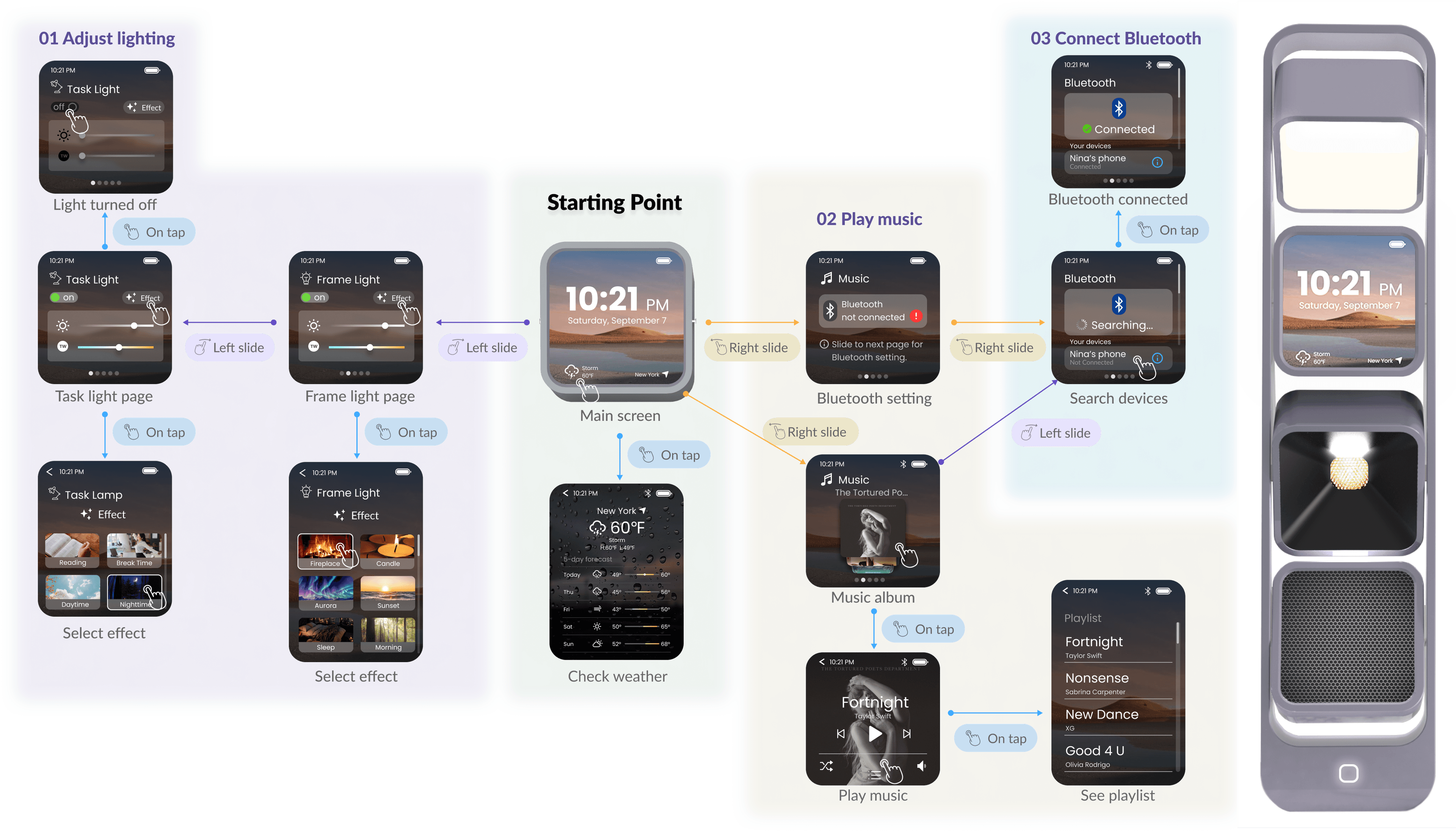
This IoT table lamp offers four key functions: a home page display showing daily info (date, time, location, weather); adjusting lighting by sliding through screens; playing music by sliding through albums (after connecting Bluetooth); and Bluetooth connection. Users can control everything with simple one-finger gestures. The goal was an intuitive, streamlined interface.
Final Design
What's the next step?
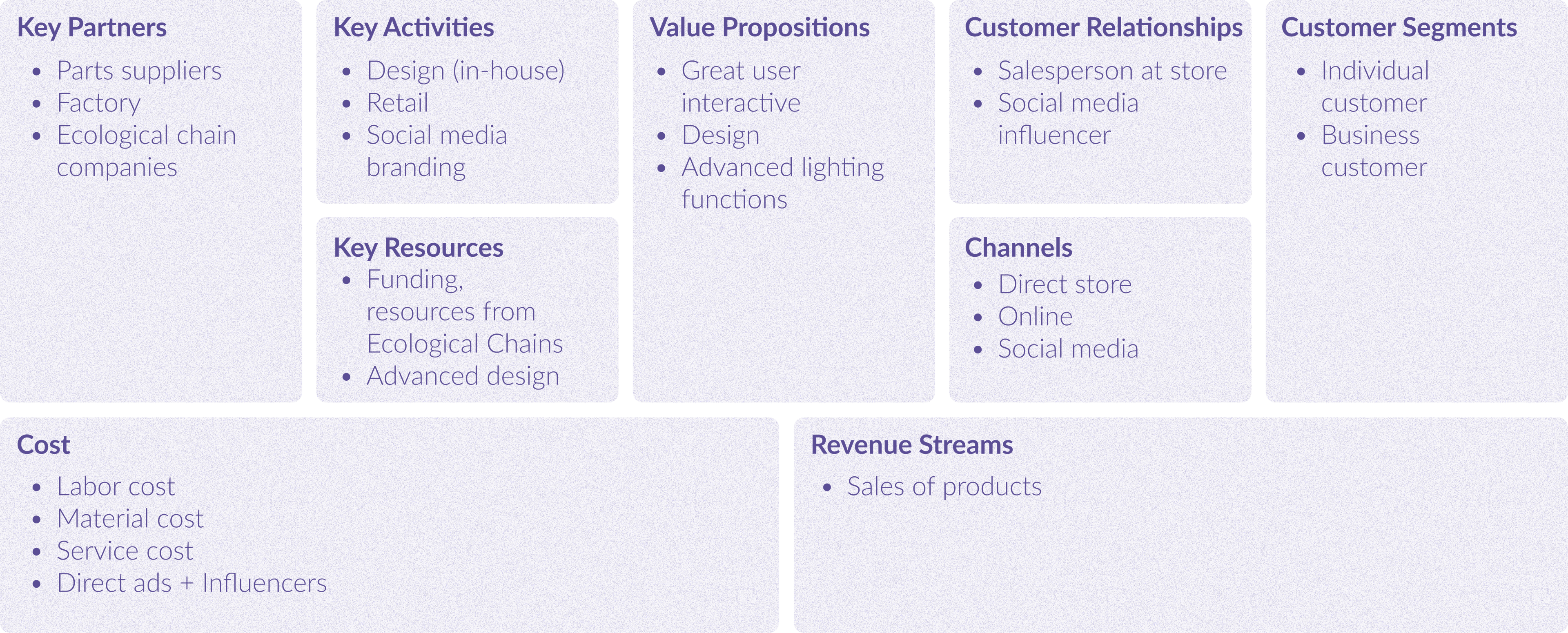
We are planning to join Xiaomi Ecosystem
Xiaomi's ecological chain is a business model where Xiaomi invests in or incubates startup companies to build a network of partners.

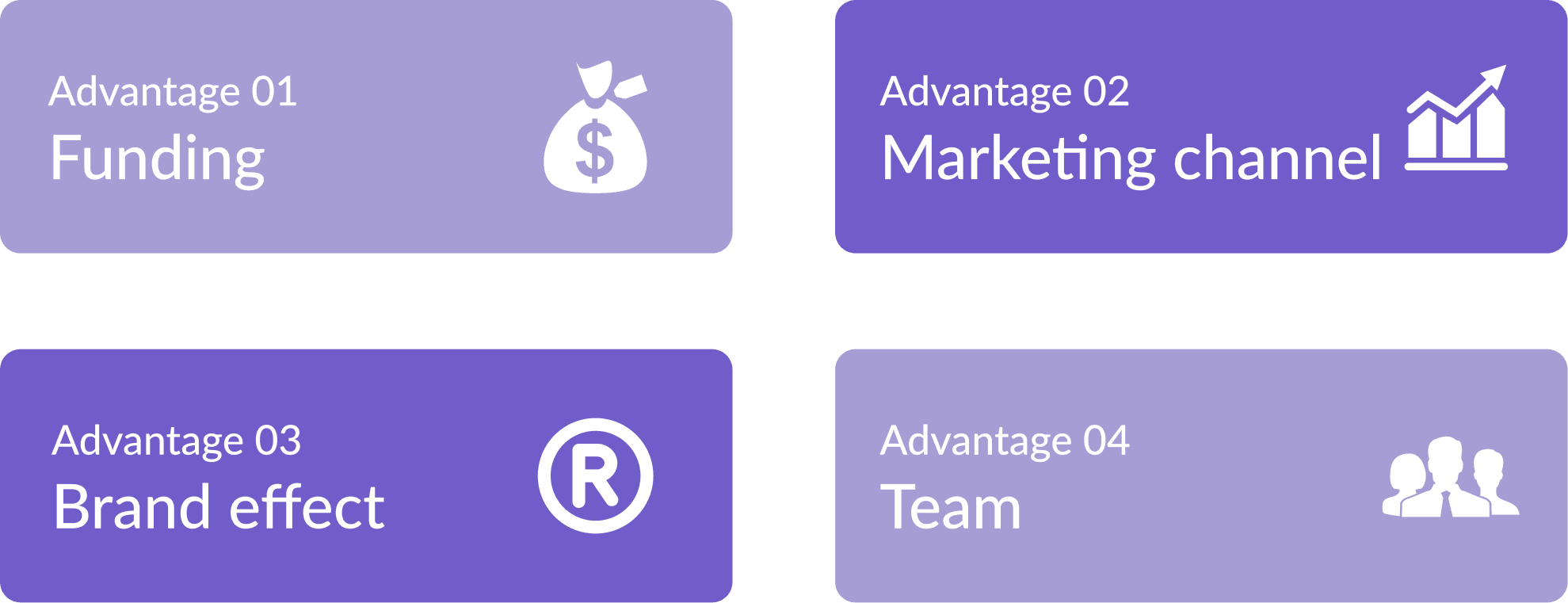
“What can we gain by becoming part of the Xiaomi Ecosystem?”
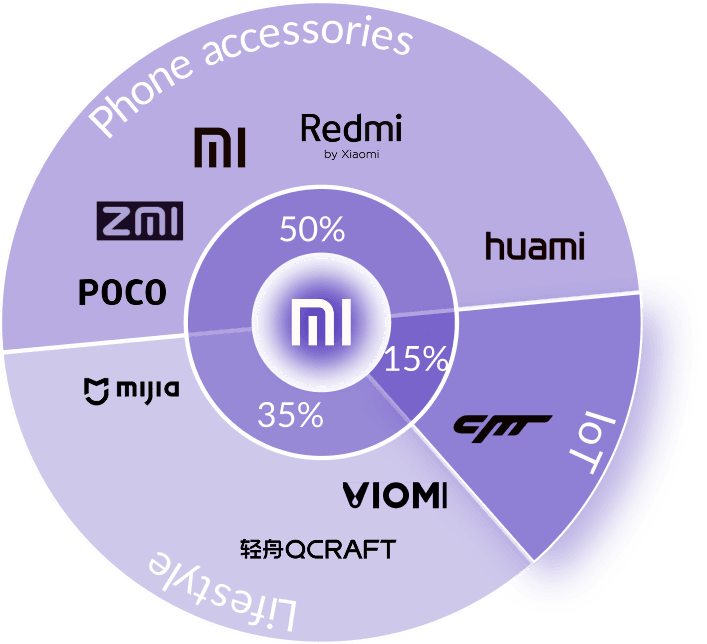
Xiaomi Ecosystem has a minimum product in IoT Section. Our IoT lamp, with its smart control and distinctive aesthetic design, seamlessly fills this void while enhancing users' daily convenience.
Business Model Canvas